


Page 6 - Dyslipidaemia_newsletter8_2024_Final
P. 6
REFLECTIONS
                                                                                                                   Dyslipidaemia
     Dyslipidaemia Global Newsletter #8 2024


     This review delves into historical perspectives, physiology,
     pathophysiology, genetic causality evidence, epidemiology, the                                                Dyslipidaemia
     role in familial hypercholesterolemia and diabetes, management,
     screening, diagnosis, measurement, prevention, and the future
     of Lp(a)-lowering drugs.

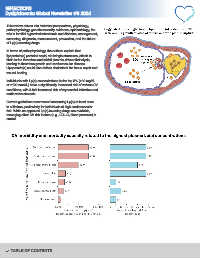
     In terms of pathophysiology, the authors explain that
     lipoprotein(a) particles could, via kringle structures, attach to
     fibrin in the thrombus and inhibit plasmin-driven fibrinolysis,
     leading to thrombus growth and cardiovascular disease.
     Lipoprotein(a) could also deliver cholesterol for tissue repair and
     wound healing.

     Individuals with Lp(a) concentrations in the top 5% (>90 mg/dL
     or >190 nmol/L) have a significantly increased risk of various CV
     conditions, with 3-fold increased risk of myocardial infarction and
     aortic valve stenosis.

     Current guidelines recommend measuring Lp(a) at least once
     in a lifetime, particularly for individuals at high cardiovascular
     risk. While no approved Lp(a)-lowering drugs are available,
     managing other CV risk factors (e.g., LDL-C, blood pressure) is
     crucial.


          TABLE OF CONTENTS

